









The researchers assessed symptom severity with a standard scale ranging from 0 to 40 points. They then randomly assigned participants to one of two groups. One group received an oral dose of psilocybin at 0.25 milligrams per kilogram of body weight. The other received niacin, also called vitamin B3, which acted as a placebo.
The dose of psilocybin proved sufficient to trigger a psychedelic trip, an intense experience that often alters perception, thinking and emotions. “It's quite intense, although it varies from person to person,” Pittenger explains.
The results appeared very quickly. Just 48 hours later, the 14 participants taking psilocybin reduced their average symptom score by 9.76 points. In contrast, those taking niacin showed little change.
For Alex Kwan of Cornell University, the speed of the effect is surprising. “The speed and durability of the improvement seen after a single dose of psilocybin is remarkable,” he says.
One week later, about 70 % of those receiving psilocybin were still showing a symptom reduction of about 35 %. The benefits persisted also at the evaluation 12 weeks later.
Neuropsychopharmacologist David Nutt, of Imperial College London, believes the effect may be due to a profound change in mental patterns. “If we give you a trip, we believe we can break the cycles of obsessive thinking and behavior,” he explains. “The goal of OCD therapy is to teach people to behave differently.”.
The effects of psilocybin on the brain
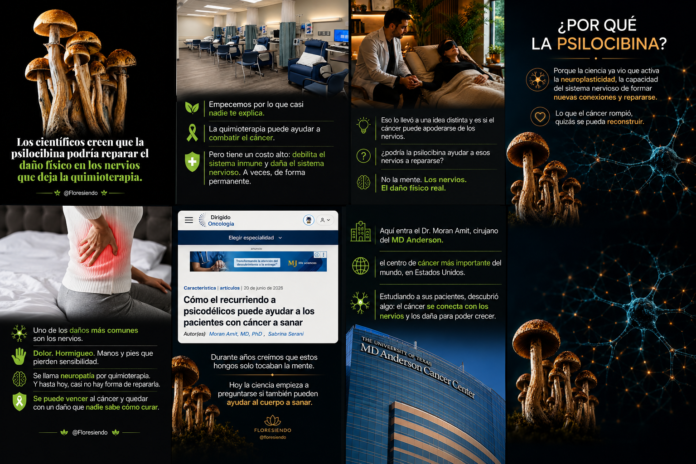
Scientists do not yet know exactly how psilocybin works in the brain. One possibility is that it increases brain plasticity, the brain's ability to reorganize its connections. With greater neural flexibility, obsessive thoughts lose strength.
Another hypothesis points to the default neural network, known as the default mode network. This brain network is involved in mental rumination and perception of the self. According to Pittenger, psilocybin could recalibrate its relationship with other brain regions.
Some studies also suggest that the compound may modify neuronal connections and reduce brain inflammation. These combined effects could explain the observed improvement.
Scientists are now calling for larger trials to confirm the efficacy and safety of the treatment. They also want to determine what dose works best and which patients might benefit most.
If the results are confirmed, a single controlled psychedelic experience could become an unexpected therapeutic tool for one of the most persistent mental disorders.